Hospitality & Culinary Arts vocational training solution
Back to Technical & Vocational Education Departmentswith professional equipment
Our Hospitality and Culinary Department prepares students for real careers in one of the world's fastest-growing industries.
Through hands-on training, students learn professional cooking, food safety, customer service, and hospitality operations.
Graduates gain practical, job-ready skills for work in restaurants, hotels, catering, tourism, and event management—locally and internationally.
The program also builds strong communication, teamwork, and entrepreneurial skills, opening pathways to leadership and business ownership.
Learn by doing. Graduate job-ready. Build a global career.
A hospitality and culinary training program would be practical and industry-focused. Students would spend most of their time in training kitchens, bakeries, and service areas, learning cooking techniques, food safety, and customer service.
Classroom lessons would support hands-on work with topics like nutrition, cost control, and hospitality operations.
Key features
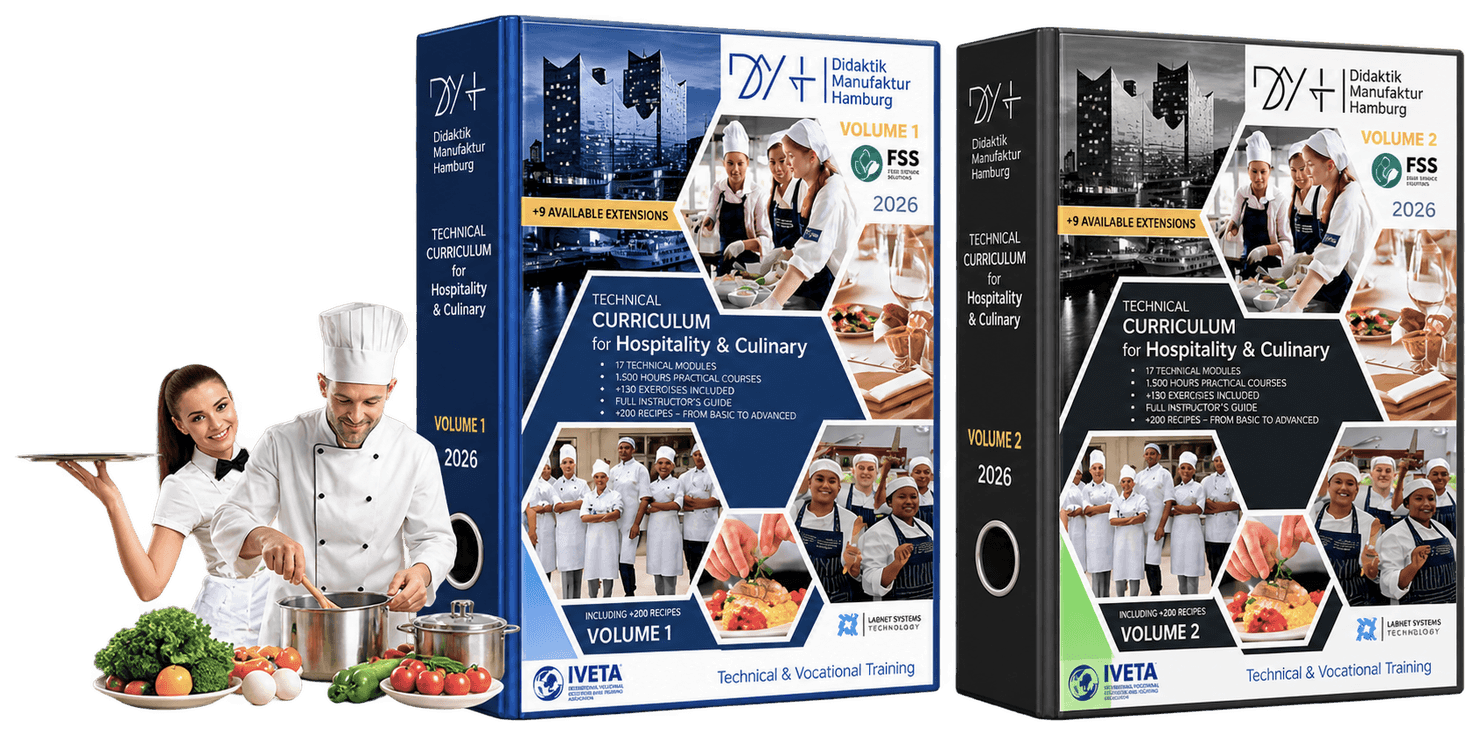
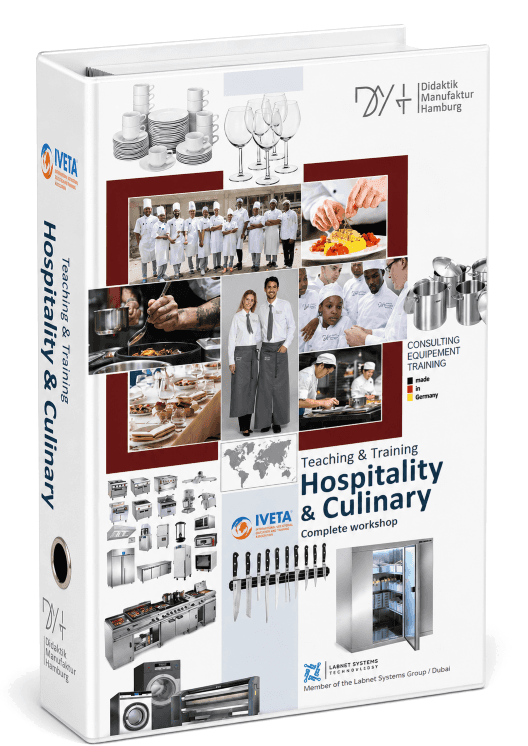
- DMH offers a complete didactic training program for Hospitality and Culinary Arts, fully aligned with its comprehensive equipment solutions. The program is modular in structure and can be easily adapted to the specific requirements of different training programs.
- All equipment is 100% designed to meet international culinary standards and allows for adaptation to almost any regional cuisine.
- For specific requirements, such as Asian cuisine, we offer expandable modules (see below) that provide the specialized equipment and technology required.
- All equipment included in our offer is designed for 24 to 28 apprentices and covers all equipment required for real-world training, including appliances, cutlery, cooking utensils, tableware, storage furniture, refrigeration units, uniforms, tablecloths and napkins, cleaning equipment, and additional support tools.
- The training could and should include real-world experience through internships, student-run cafés or catering projects, and partnerships with local hotels and restaurants.
- Complete technical & practical Curriculum with predefined exercises and Structured Teaching & Practical Training Programme.
Practical training Curriculum (what is that?)
in Hospitality & Culinary Arts
Included as an integral component of every workshop.
(Each curriculum is individually adapted to the specific requirements of the workshop.)
- +50 weeks full-time training
- +1,500 hours hands-on working time
- +35 modules with exercise instructions
- +150 pre-defined practical exercises
- +190 individual training equipment items
- +15 workstations
- +14 to 18 apprentices per group (expandable)
- +6 categories
Extensions
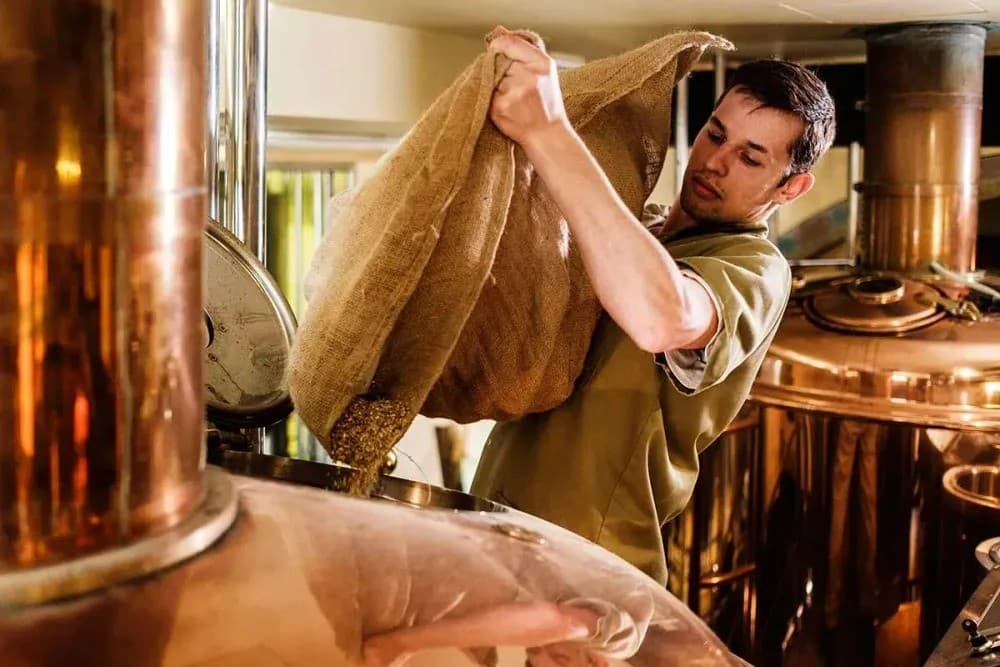
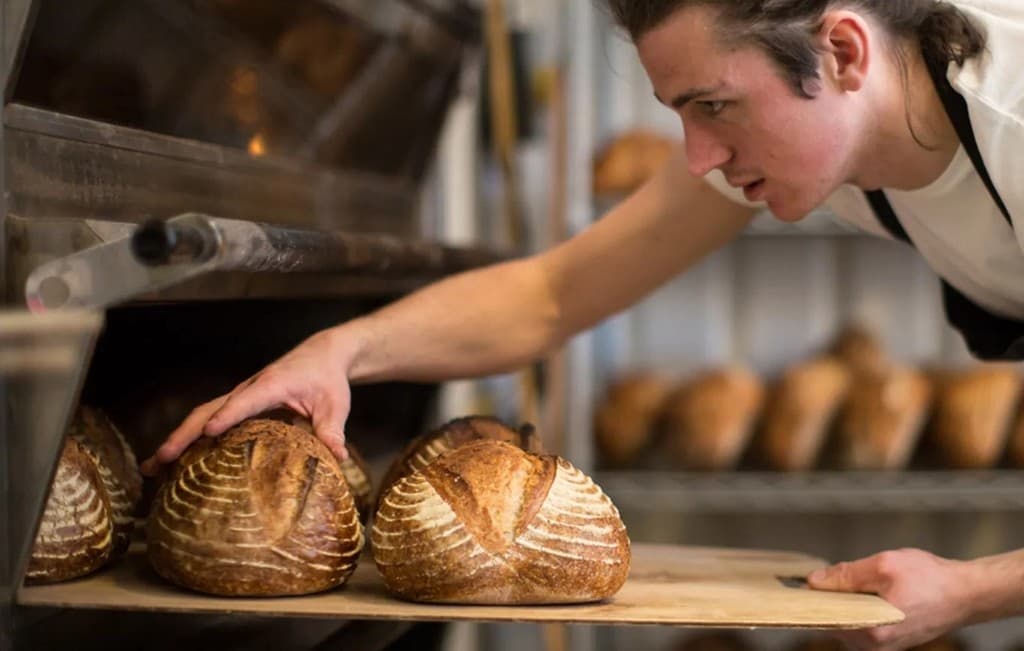
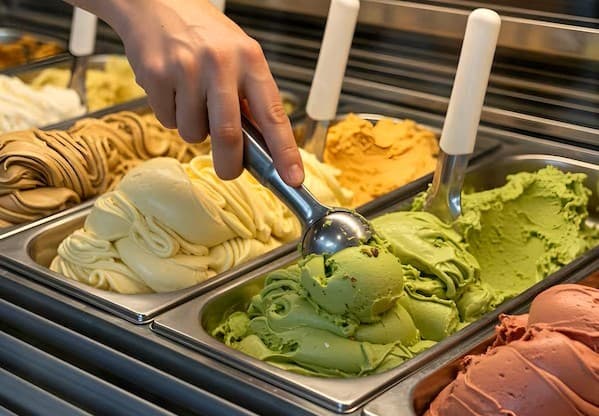
The Hospitality and Culinary Department is closely linked to several other disciplines, such as Food Processing and Agriculture, and can, if required, be meaningfully expanded with the following related departments from our portfolio upon request:
Modules
In addition, DMH offers a range of carefully designed ADD-ON MODULES that can be seamlessly integrated with the department. These modules enhance the department's independence, expand its service offerings, and provide smart, practical tools that streamline and enrich the overall training experience.
Contact us for assistance with your project !
Take advantage of our extensive experience and expertise.
We will be happy to send you a personalized quote accompanied by one or more useful extension options.
Your Didaktik Manufaktur Hamburg Team